Foreword
On 20 July 2026, Patrick Tse Yin, a Hong Kong film legend, passed away peacefully at the age of 89. When the details of his estate were made public, they caused a public outcry: of an estate totaling over HK$100 million, 90 percent was bequeathed to his third-generation grandchildren, whilst his own children——who had already achieved great success and fame——received only 10 percent. Many have questioned this as “favouritism”; however, when we set aside the emotional clamour and examine the matter from a professional perspective of wealth management and inheritance, such an arrangement may shed light on an often-overlooked question: when children have already developed the ability to generate wealth independently, how should wealth be transferred to truly ensure its protection across generations.
From popularly known as “Fourth Brother” to a case of wealth inheritance
Patrick Tse Yin, whose original name was Tse Ka-yuk, was born in 1936.
In the 1960s, thanks to his handsome appearance and professional acting, he became a major matinee idol during the golden age of Cantonese-language cinema. After making the transition to television in the 1980s, his portrayal of “Law Sei-hoi” in TV series “The Shell Game” endeared him to audiences, and the nickname ‘Fourth Brother’ subsequently resonated throughout the Chinese-speaking world. Over the course of his seventy-year acting career, he not only amassed considerable personal wealth but also, with his dashing and free-spirited persona, became shared memories for several generations of viewers.
In terms of family structure, Tse Yin had married twice, first to Taiwanese actress Zhen Zhen, and later to Hong Kong actress Deborah Lee, and they have two children together: his son, Nicholas Tse (born in 1980), and his daughter, actress Jennifer Tse (born in 1982). Since making his debut at the age of 16 after signing with Emperor Entertainment Group, Nicholas Tse has transformed from a figure initially met with widespread boos and hisses across Hong Kong into an Asia’s top entertainment superstar. He has since branched out to establish the “Fengwei” culinary brand and ventured into various fields such as film investment and commercial endorsements. According to publicly available information, his personal wealth has heavily surpassed that of his late father. Likewise, Jennifer Tse has established an independent career in both the entertainment and business sectors.
It is precisely this family background——with a father who amassed a fortune in the hundreds of millions, while his children have all demonstrated strong wealth-creation capabilities and resilience to risk——that elevates Tse Yin’s estate planning beyond the ordinary scope of “dividing the family estate”, into a more complex issue of wealth management: when the next generation no longer needs to reply on an inheritance to survive, what should be the core objective of wealth inheritance?
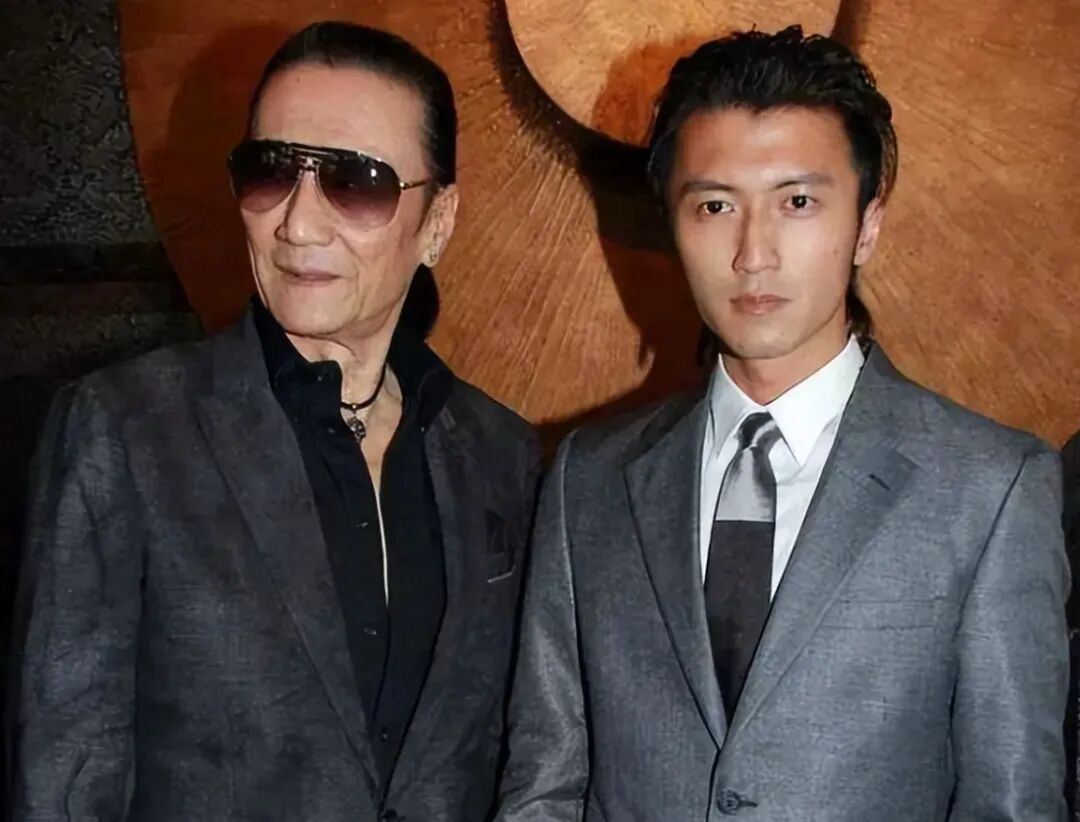
Ⅰ. The “bias”in public discourse: Why did allocation 90% to the grandchildren spark controversy?
Following the publication of the testament, reactions on social media were almost unanimously characterised by accusations of “unfairness”: is it not heartless to give one’s own children merely a fraction of the inheritance? Are the grandchildren really more important than one’s own children? This reflects the public’s intuitive understanding of wealth inheritance: an estate should be distributed equally according to kinship, and giving more to any one party implies favouritism.
However, to truly understand this arrangement, we need to set aside emotional judgements for a moment and instead explore a more universal question: in wealth inheritance within high-net-worth families, “how it is distributed” is often more crucial than “how much is given”.
II. The threefold risks of direct bequeath: Why might “simply dividing the money” be the most dangerous option?
If Tse Yin chose the most traditional approach——distributing HK$ 100 million equally amongst his children. Seemingly, it seems to be the “fairest” approach; however, from a professional perspective on wealth management, this model of direct bequeath may expose his children to three subtle risks:
●Risk of marital changes
Under Hong Kong law, assets acquired by spouses during the marriage (including those received through inheritance or bequeath) may be subject to division in the event of divorce. Should a child experience martial difficulties, assets directly registered in their name may be subject to division.
●Business and debt risks
Nicholas Tse is currently involved in various sectors, including catering, film production and commercial investment. A defining feature of the business world is that, even when operations are currently running smoothly, it is impossible to completely rule out the possibility of future corporate debts, joint and several liability under guarantees, or investment losses. Should these risks materialise, personal assets held in his name (including directly inherited assets) may be subject to claims by creditors. Similar cases are not uncommon in the business world.
●Investment decision risks
Rapid wealth appreciation can sometimes present new challenges. When the volume of capital exceeds daily requirements, the ability to allocate funds reasonably and avoid impulsive investments or excessive spending tests one’s asset management capabilities rather than merely the scale of one’s wealth. History is replete with cases where family fortunes have been significantly eroded due to investment missteps.
A common feature of these three risks is that they are not “black swan”events with an extremely low probability of occurrence, but rather routine issues that high-net-worth individuals must systematically address in their day-to-day wealth management. The traditional model of direct gifting essentially involves the simultaneous transfer of both “ownership” and “control” of wealth; once this transfer is complete, the original wealth creator loses any influence over the subsequent fate of the assets.
III. The logic behind intergenerational inheritance: why is skipping the second generation, yet targeting the third a rational choice?
The most controversial provision in Tse Yin ’s testament is the decision to bypass his children and bequeath 90 % of his wealth directly to his grandchildren, the third generation. This model of “skipping a generation” is not uncommon amongst long-established wealthy families internationally, and is primarily based on two key considerations:
Firstly, the children’s marginal demand is relatively low. Both Nicholas Tse and Jennifer Tse have independent careers and stable incomes. For them, the inheritance left by their father is more of a “security asset”than a “subsistence asset”; an additional tens of millions of Hong Kong dollars would offer only a limited practical improvement to their quality of life. However, for the grandchildren, who are still in their formative years, this capital represents access to higher-quality educational resources, start-up capital for entrepreneurship, and a financial safety net at key junctures in their lives.
Secondly, it minimises losses during intergenerational transfers. Every time wealth is passed from one generation to the next, it faces potential “leaks” such as tax costs, debt risks, marital division and investment losses. If a step-by-step transfer path of “father → son → grandchildren” is adopted, the assets must undergo two rounds of transfer risks; whereas directly securing the grandchildren’s beneficial ownership through a trust structure can reduce the uncertainty associated with intermediate stages.
Furthermore, the assets left by Tse Yin were not of a single type, but rather a diversified portfolio—including property, shares, business interests, film and television copyrights, and cash. Different types of assets present entirely distinct inheritance challenges: property requires ongoing management; shares are subject to market price fluctuations; business equity involves management inheritance; copyrights involve licensing and expiry dates; and cash faces the risks of inflation and excessive spending. A simple statement such as “leave everything to the children” cannot systematically address these varied challenges.
IV. The core value of a family trust: placing wealth within “rules”rather than in “pockets”
Of course, this does not imply that Tse Yin “does not love his children”; rather, it is based on a practical consideration: the essence of wealth inheritance is not “dividing up money”, but “asset allocation”—allocating limited resources to where they can best realise long-term value. The 90% of his estate that Tse Yin has bequeathed to his grandchildren is not simply “transferred directly”, but is managed and distributed through a trust mechanism. This detail is of paramount importance, as it reveals the true professional rigour of this testament.
What Is a Family Trust?
A family trust is, in essence, a legal agreement governing the management and distribution of assets.
The settlor (in this case, Tse Yin) transfers ownership of their lawful assets to the trustee (a professional trust organisation), which then manages and distributes the wealth to the designated beneficiaries (in this case, the grandchildren) in strict accordance with the terms of the agreement established by the settlor during their lifetime.
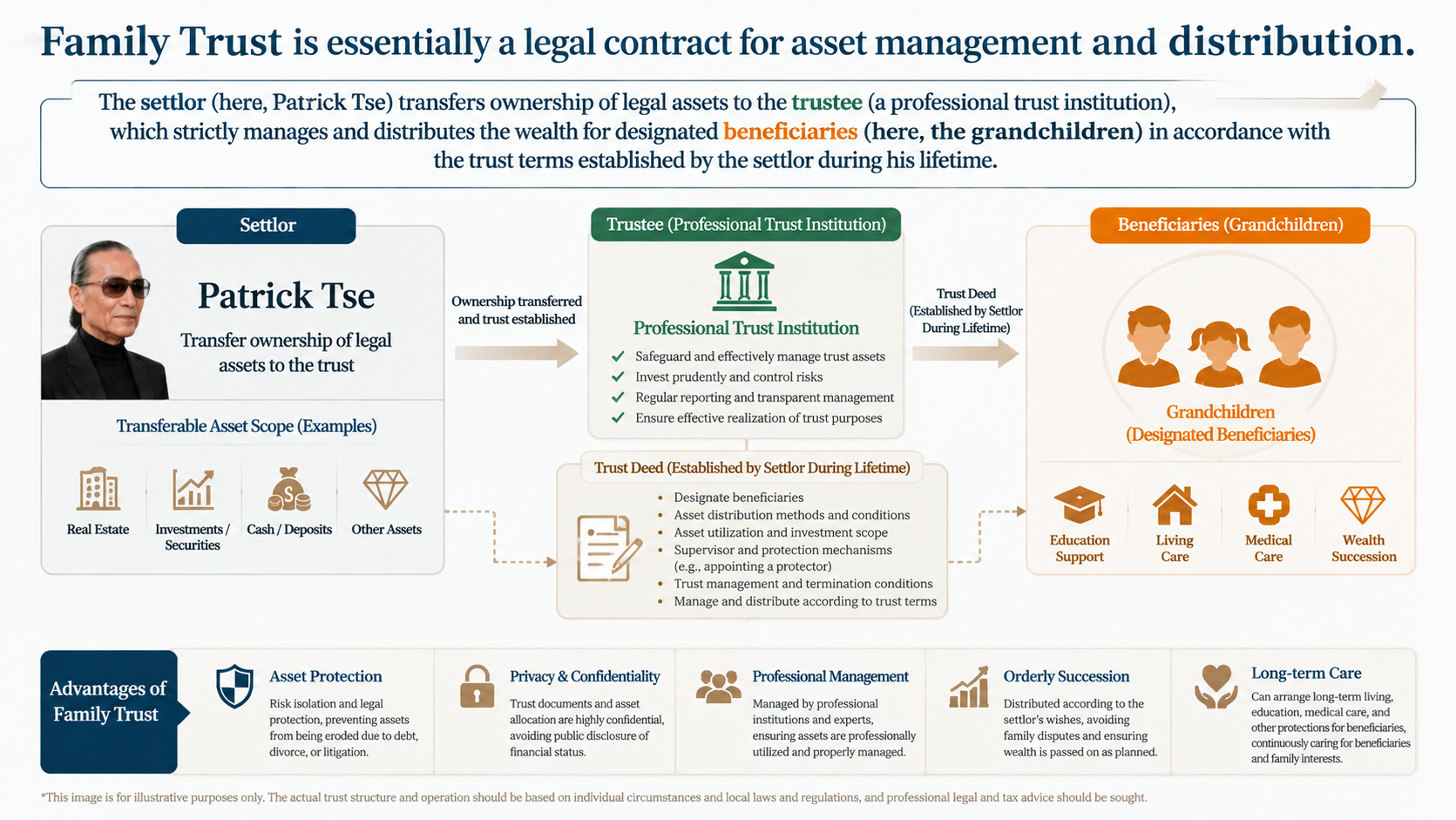
Compared with testament (which provide a one-off allocation of “who gets what”, have limited legal enforceability and require public probate) and insurance (suitable for the precise transfer of cash assets, but with limited capacity for managing complex assets), family trusts are the most flexible and comprehensive wealth inheritance tools——they not only resolve distribution issues, but also provide institutional safeguards in areas such as asset management, conditional distribution, risk isolation and intergenerational continuity.
The ingenuity of this institutional design is evident in the following aspects:
●Who manages the assets? ——Professional trustees are responsible for the day-to-day management of assets and investment decisions, ensuring that assets retain and increase in value over time.
●When can it be used? — You can set trigger conditions such as age, educational milestones and business start-up plans. For example: before the age of 18, funds can only be used for educational expenses; around the age of 25, you can apply for start-up capital if you have a business plan; at milestones such as marriage, buying a home or having a child, you can receive a fixed-amount grant; and in the event of a serious illness, an emergency protection mechanism is triggered.
●For what purposes? — Education, healthcare, start-up support or living expenses; separate limits and rules can be set for each purpose to prevent the wealth from being diverted from the settlor’s original intentions.
●How is the next generation protected? — Conditional distribution prevents beneficiaries from squandering the funds; should a beneficiary attempt to withdraw a large sum in a single instalment for purposes other than those specified, the trustee has the right to refuse such a request in accordance with the terms of the trust deed.
●How is risk isolated? — Trust assets are legally independent and do not form part of the personal property of the settlor, trustee or beneficiary. Even if a beneficiary faces marital property division, debt recovery or business failure, the trust assets will not be included within the scope of personal assets, thereby erecting a “firewall” around the family’s wealth.
Returning to the case of Tse Yin, the essence of this trust arrangement is that he did not “give” his wealth to any one person, but rather placed it within a set of “rules”. These rules were established during his lifetime and will continue to operate automatically after his passing, ensuring that the wealth benefits future generations in the long term, in accordance with the settlor’s wishes.
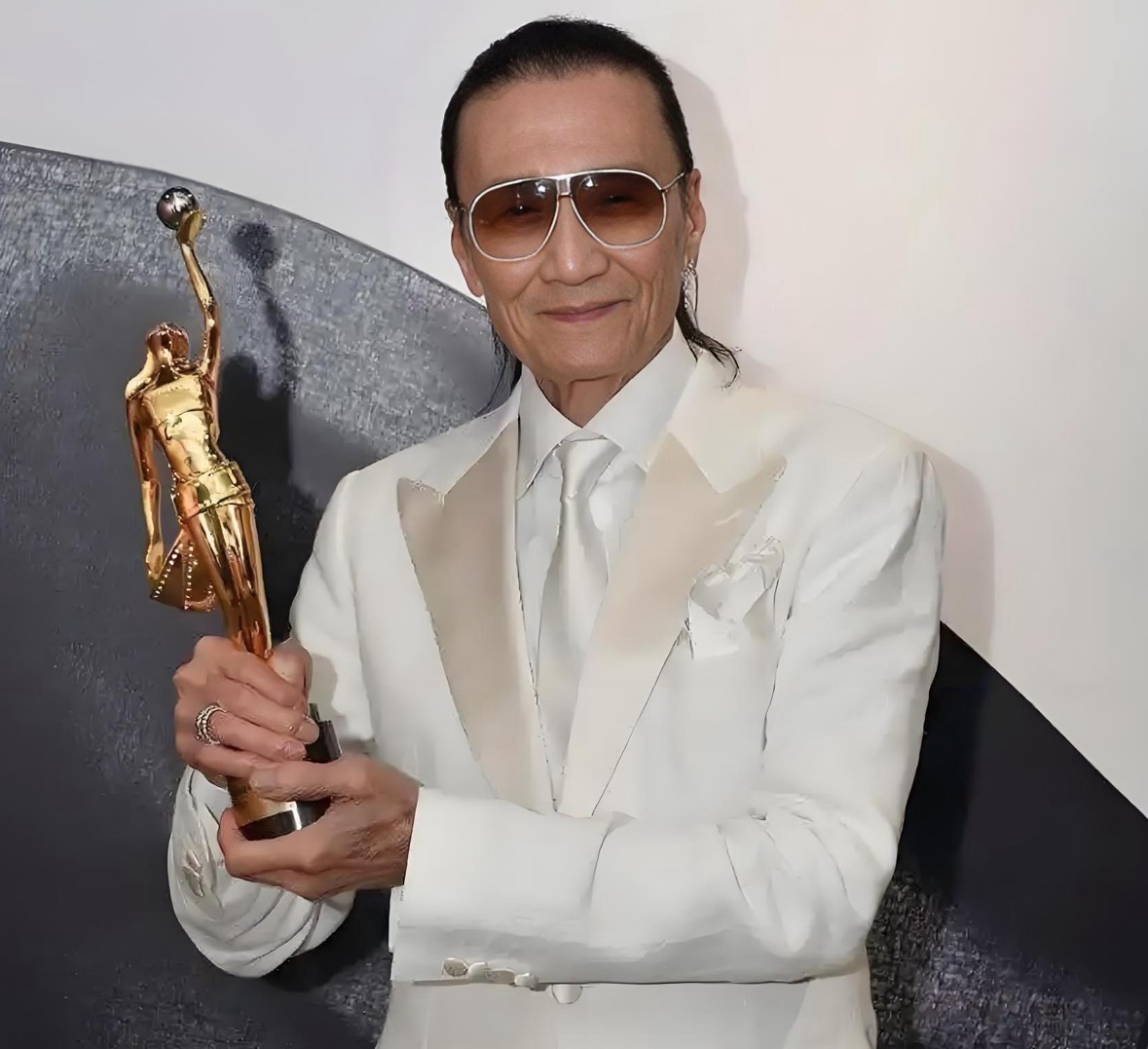
Ⅴ. From case to insights: How should high-net-worth families consider wealth inheritance?
Tse Yin’s estate arrangements have sparked widespread discussion, because it touches upon an issue that many high-net-worth (HNW) families will eventually face: When fortunes have been accumulated to a certain scale, the core challenge of inheritance is no longer “how much”, but “how to pass it down safely and effectively”.
For families considering wealth planning, a few facts worth bearing in mind as follows:
●Assessing the actual demands across generations
Wealth inheritance is not a game of “equal allocation”, but rather the allocation of resources based on each generation’s life cycle. If adult children have their own stable careers, they tend to have less reliance on estate; while their grandchildren require more long-term financial support, during the immature period.
●Identifying potential risk exposures
Direct bequeath seems to be simple, yet they can expose children to multiple risks, such as
those arising from marriage, debts, investments, etc. These risks should be systematically assessed, and consideration should be given to mitigating them through appropriate legal instruments such as trusts and life insurance trusts.
●Seeking professional advice and making early planning
Wealth inheritance involves multiple fields, including legal, taxation, trusts and investment,. Generally speaking, common collaboration is required among lawyers, tax consultants, trust consultants. When it comes to planning, the earlier, the better. In addition, solutions should be reviewed and updated regularly to reflect the actual circumstances.
In Conclusion
Apparently, Tse Yin’s estate arrangements seem to be a controversial distribution of assets; however, if we look beyond the emotional surface of public opinion, what we actually see is an elderly man in his eighties using his lifetime of experience to establish a long-term safeguard for his family. In his youth, he had experienced both glory and hardship, amassed great wealth and incurred massive debts, under these circumstances, he understood better than anyone the devastating consequences that wealth can bring if left unchecked by rules.
It is precisely for this reason that he opted for a form of “conditional bequeath”——not out of favouritism towards any one family member, but because he knew full well that the true way to love someone is not to satisfy their every passing whim without reservation, but to ensure they remain securely protected in the future, even in his absence.
The essence of wealth inheritance has never been the transfer of figures, but the continuation of values and a sense of responsibility. When a person is willing, in a moment of clarity, to devote thought to designing a set of wealth management rules spanning decades, this in itself demonstrates that what they are passing on is far more substantial than mere money.
Disclaimer
The content of this article is based on a review of publicly available legal provisions and industry practices, and is intended solely for the purposes of information sharing and academic discussion. The content of this article does not constitute professional advice on legal, tax, investment or trust matters in any jurisdiction. It is recommended that you seek independent professional advice on legal, financial and tax matters before taking any action regarding wealth planning.